
2025 was the year when momentum really mattered.
As businesses of all sizes and stages faced similar, often unprecedented, challenges and opportunities - including AI adoption, economic uncertainty, and tighter access to funding and talent - it became clear that the companies navigating these issues successfully shared similar approaches to leadership, culture, and learning.
The work we did this year to support founders, boards, and executive teams from around the world reveals that - when it comes to unlocking growth - the key to sustaining critical momentum is to surround yourself with proactive, forward-thinking leaders that increase your speed, knowledge, and confidence.
Rob Bryant is the MD of APJ at Think & Grow. He's spent his career helping brands accelerate growth in complex and competitive markets. This year, he's outlined three key pieces of advice for companies looking to take the next step in 2026:
It’s trendy for businesses to say “we’re non-hierarchical” during the early-stages of growth. But in our experience helping companies grow sustainably, the reality is that flatter teams tend to break as they scale. The approach leaves too much room for vague ownership – accountability and decision-making often suffer as a result.
On the other hand, clarity of purpose, role, and responsibility leads to increased focus and momentum, and that’s exactly how companies can best support and empower their employees to do what they do best.
Recommendation: Be intentional with finding balance between flexibility and clarity - your org structure should be an asset that keeps everyone aligned and feeling clear, not something that’s difficult to understand or implement consistently.
True workplace culture originates from the top of the business, but whether and to what extent it’s actually implemented is defined by who you hire, the behaviour you tolerate and reward, and the steps you take to preserve it. If you’re not deliberate about building a solid culture from day one, you run the risk of falling behind in this critical area. Great workplace culture doesn’t just happen by accident, it needs to be purposefully built.
The strongest teams I’ve worked with and advised protect their culture like it’s an IP. They evolve it consciously as they scale, with curated values and an experienced leader who’s responsible for making sure everyone sticks to it.
Recommendation: Walk the talk, whether that’s in your boundaries, communication, actions or expectations. As a leader, play your (important) part in creating and protecting a culture for growth.
A classic founder trait is clinging on too hard, for too long. Founders are passionate, and they love to feel in control of the thing they’re building. But passion can become dangerous if it isn’t checked and balanced. Refusing to delegate and offload is a growth bottleneck that’s mission-critical to solve.
Almost every Leadership Alignment Workshop we’ve conducted this year has featured founders, CEOs and C-suite teams that are working outside of their zones of genius. Their precious time is being spent on tasks and initiatives that don’t play to their strengths or experience.
Recommendation: Just as your employees have regular reviews and evaluations of their workload and performance, Founders must do the same for themselves to reflect on their strengths, what must be delegated, and to whom.
Our work this year put these recommendations into action:
- We’ve helped more than 250 tech companies remove growth constraints with tailored workshops, org design structures, key c-suite hires, GTM strategies, and market intelligence reports.
- We’ve shaped the global governance conversation through The Global Board Report Series, drawing on insights from 750+ board directors, NEDs, and founders to surface what high-impact boards need to look like in the current times.
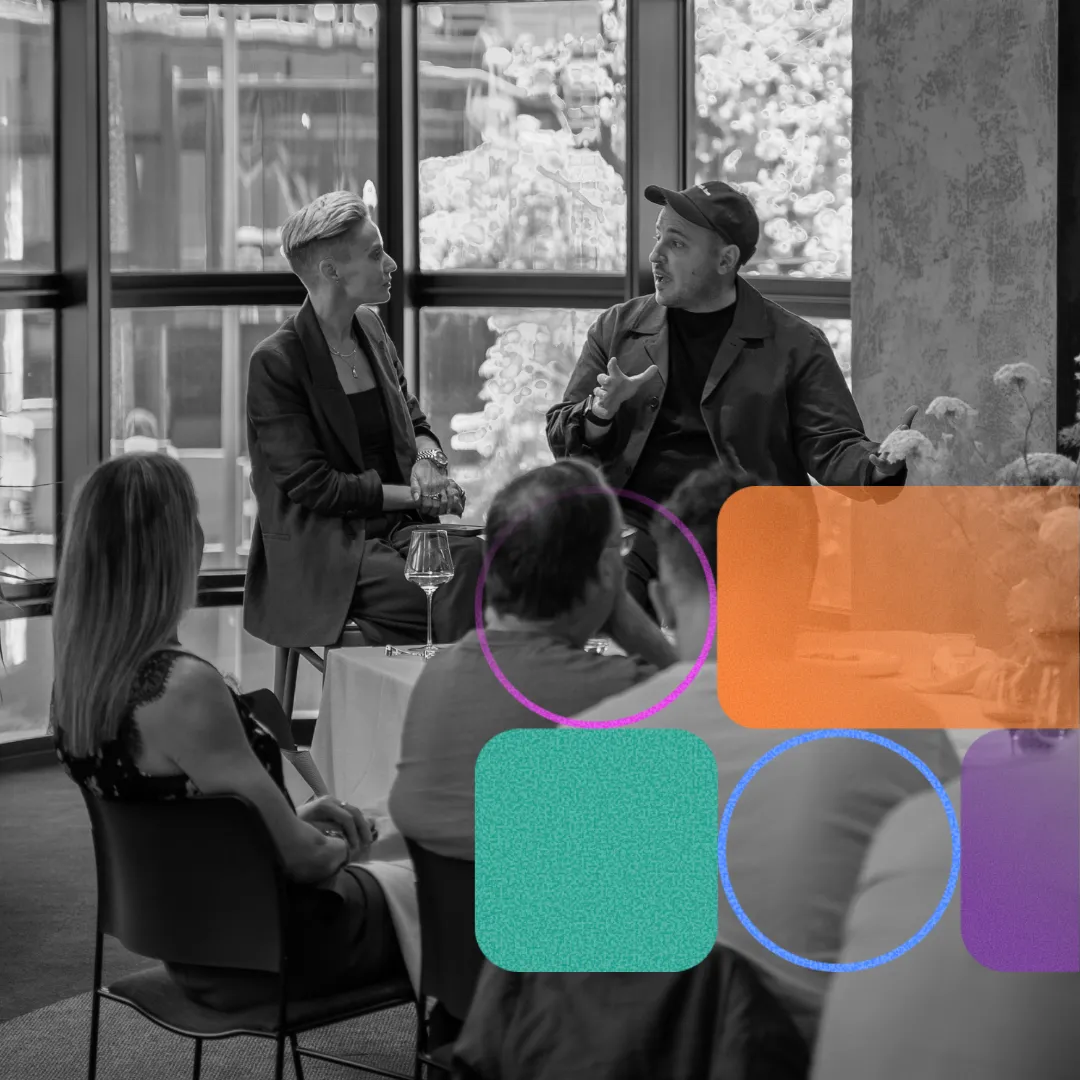
- We’ve hosted events to foster meaningful relationships and conversations. From expert panels and boardroom roundtables to founder dinners, People & HR drinks, and networking on a SuperYacht!
As we head into 2026, we’re seeing a clear shift toward more intentional growth with aligned leadership, intentional structure, and teams built for scale. If that’s the kind of growth you’re planning for, we’d love to be part of the conversation.